Printing Techniques
We use traditional printing methods that create depth, texture, and a sense of craftsmanship that digital printing cannot replicate. Each technique is chosen thoughtfully, to enhance the design and create a piece that feels substantial and meaningful.
Letterpress Printing
Letterpress is our primary printing method, and for good reason. This traditional technique uses raised type or images to press into paper, creating a deep impression that you can both see and feel. The result is a tactile quality that makes each piece feel substantial and handcrafted.
We use a vintage letterpress machine that requires careful setup and attention to detail. Each color requires a separate pass through the press, which means multi-color designs take time and precision. But the result is worth it—each print has subtle variations that make it unique, and the deep impression creates a sense of permanence and quality.
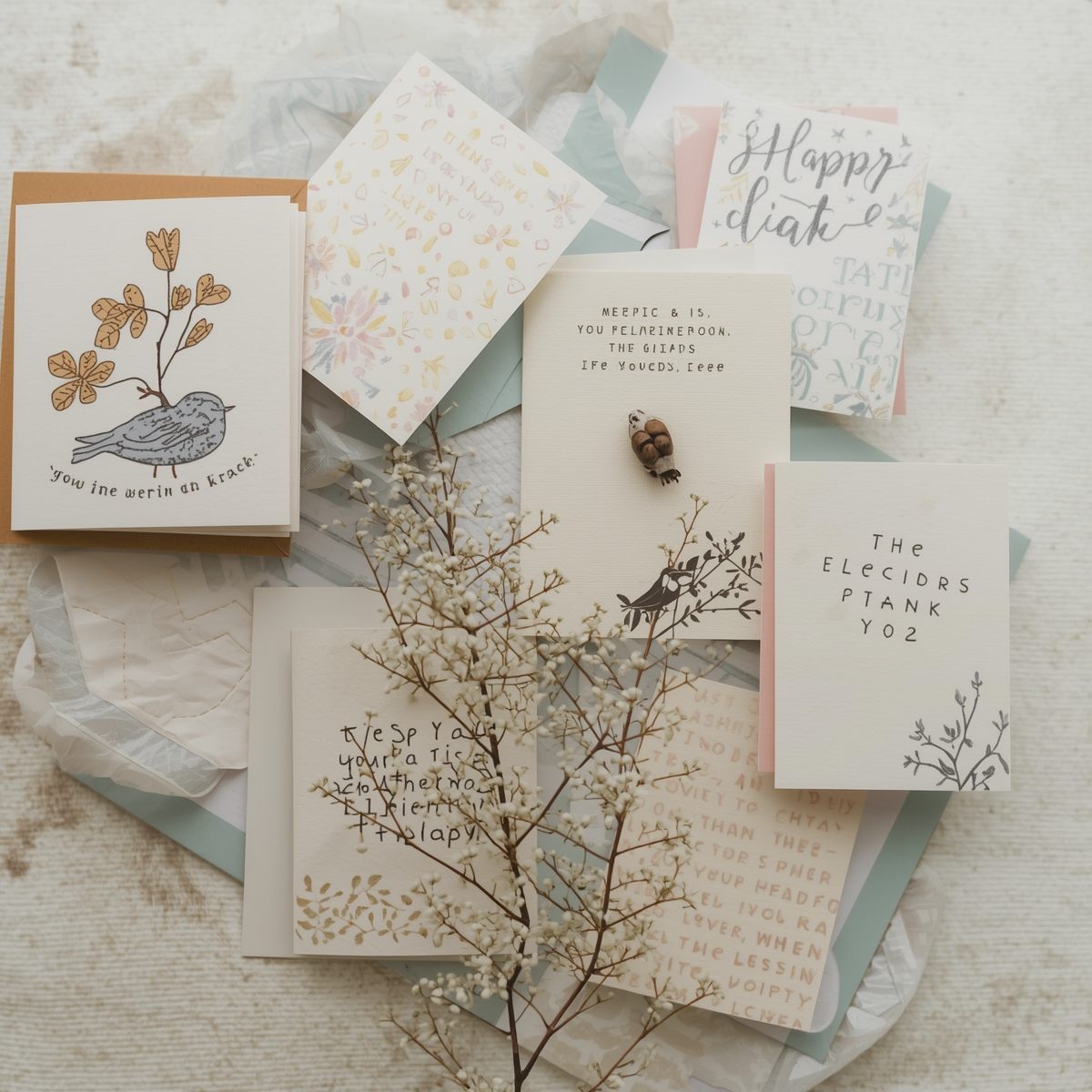
The paper we use for letterpress is important too. We choose papers that are soft enough to accept the impression but substantial enough to hold it. This creates a beautiful contrast between the raised, inked areas and the smooth, untouched paper.
Foil Stamping
Foil stamping adds a touch of elegance and shimmer to our designs. This technique uses heat and pressure to transfer metallic or colored foil onto paper, creating a smooth, reflective surface that catches the light beautifully.
We use foil stamping sparingly, as an accent rather than the main element. A subtle foil border, a small logo, or delicate text can elevate a design without overwhelming it. The foil we use ranges from classic gold and silver to soft pastels that complement our color palette.
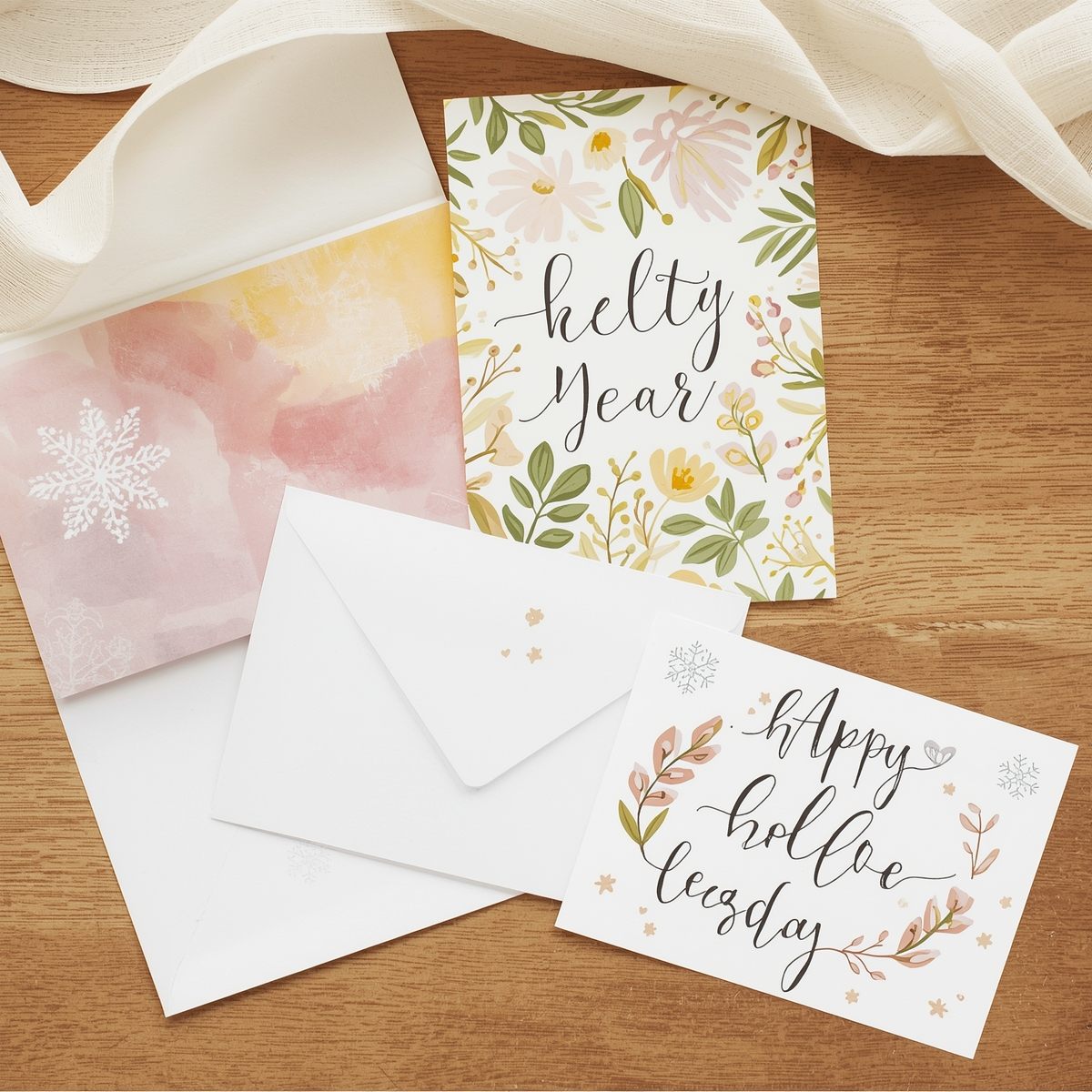
The process requires precision, as the foil must align perfectly with the design. But when done well, foil stamping creates a luxurious feel that makes each piece feel special and considered.
Embossing
Embossing creates raised patterns on paper without ink, using pressure to create texture and dimension. This technique is perfect for adding subtle detail—a border, a logo, or a pattern that invites touch.
We often combine embossing with other techniques, using it to add depth to letterpress designs or to create contrast with foil-stamped elements. The raised surface catches light differently, creating shadows and highlights that change as you move the piece.

Embossing requires custom dies, which are created specifically for each design. This means embossed elements are permanent parts of our designs, adding to the sense of craftsmanship and intention behind each piece.
Paper Selection
The paper we choose is just as important as the printing technique. We work with a variety of paper types, each selected for its texture, weight, and how it responds to our printing methods.
For letterpress, we prefer papers with a soft, slightly textured surface that accepts impressions well. For foil stamping, we need smooth papers that allow the foil to adhere cleanly. And for embossing, we choose papers that are substantial enough to hold the raised pattern without tearing.
We source our papers from suppliers who prioritize quality and sustainability. Many of our papers are made with recycled content or come from sustainable sources, aligning with our values of thoughtful, responsible creation.
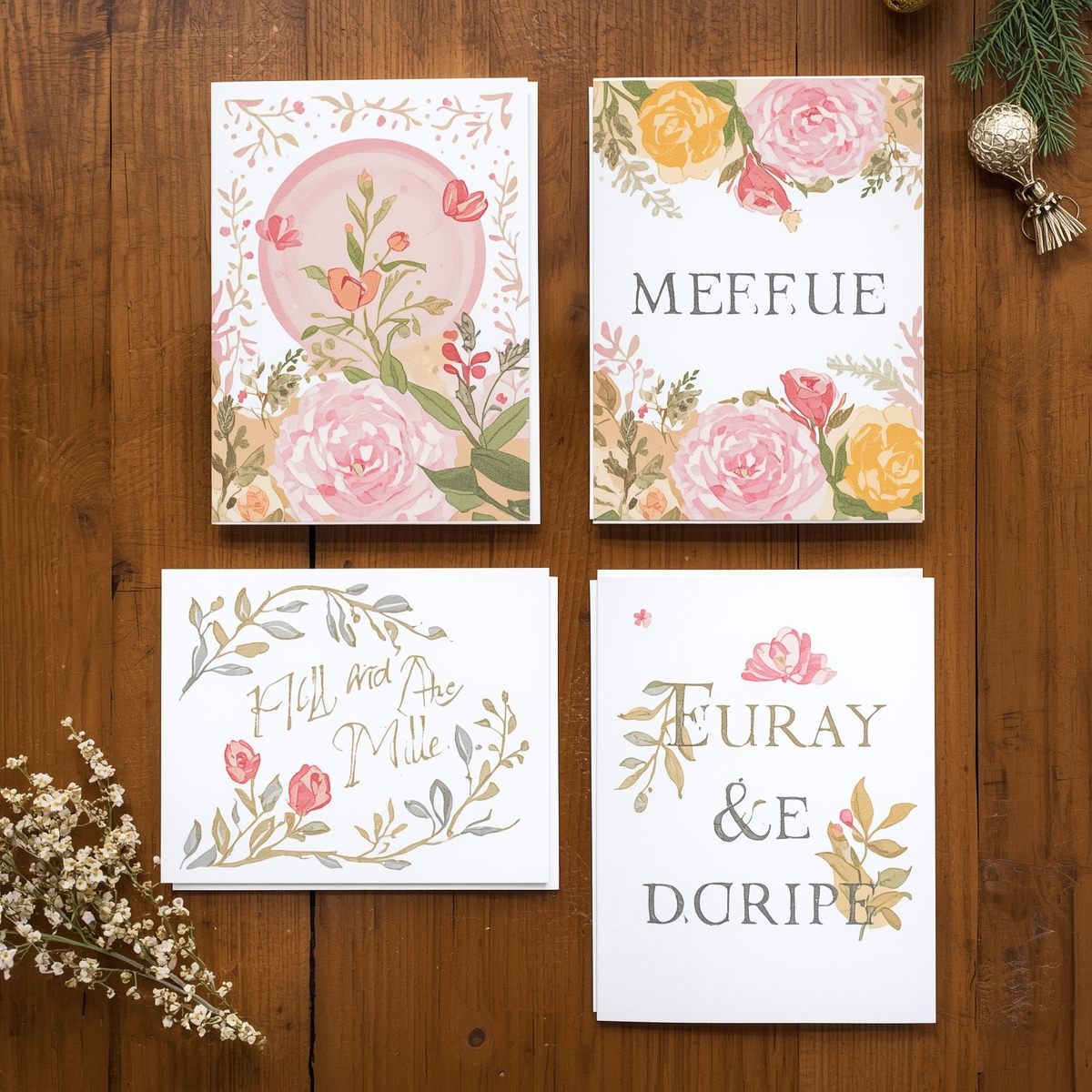
The color of the paper matters too. We work with soft neutrals and gentle pastels that complement our designs, creating a cohesive aesthetic that feels calm and inviting.
Our Process
Each printing job begins with careful planning. We consider the design, the paper, and which techniques will best bring the vision to life. Then we create proofs, test colors, and adjust until everything feels right.
Because we work in small batches, we can pay attention to each piece. We check for alignment, color consistency, and quality throughout the printing process. This slow, careful approach ensures that every card, every print, every piece of stationery meets our standards.
It's this attention to detail that makes our work feel handmade, even when we're producing multiple pieces. Each one is created with the same care and intention, resulting in a collection that feels cohesive yet personal.